
What Does Poor Cemetery Software Training Look Like?
Poor cemetery software training doesn’t always look dramatic. More often, it shows up in subtle, familiar ways.
Maybe only one person on staff truly understands how the system works. New employees rely on handwritten notes or spreadsheets because learning the software feels overwhelming. Certain features go unused because they're perceived as “too complicated.” Staff submit repeated support requests for basic tasks or avoid the system altogether when things get busy.
These challenges aren’t a reflection of staff capability. They're usually the result of an onboarding process that moves too quickly, surface-level training, or a lack of ongoing support. Without structured, accessible cemetery software training, even well-designed systems can become barriers instead of tools.

The Hidden Costs of Inadequate Cemetery Software Training
The true impact of poor training isn’t always immediately obvious, but over time, the cracks start to show across operations, data integrity, and staffing.
Operational Inefficiency
When cemetery staff isn’t sure how to use cemetery software efficiently, routine tasks take longer than they should. Locating records, updating plot ownership, generating reports, or managing interments becomes a slow, manual process.
To compensate, teams often create workarounds that defeat the purpose of implementing cemetery software entirely: maintaining paper files, duplicating data in spreadsheets, or relying on memory instead of the system. While these shortcuts may feel necessary in the moment, they erode the value of the software over time. Unless each staff member has adequate training and clear instructions on how to utilize the cemetery’s software program, productivity drops, frustration rises, and they spend more time managing information than serving families.
Data Errors and Compliance Risks
Cemeteries rely on accurate records to protect families, staff, and the organization itself. Poor cemetery software training increases the risk of inconsistent data entry, incomplete records, or incorrect plot assignments.
These errors don’t always surface immediately. But when they do, they can lead to difficult conversations, legal disputes, or public trust issues. Well-trained users are more likely to follow consistent workflows, understand how records connect across the system, and maintain clean, reliable data over time.
Increased Support and Turnover Costs
When users aren’t confident in the software, support requests increase; often, for tasks that could be handled internally with proper training. Internal “power users” become bottlenecks, fielding constant questions while trying to manage their own responsibilities.
Training gaps become especially costly during staff transitions. Retirements, resignations, or seasonal staffing changes can leave cemeteries scrambling to fill knowledge gaps. Without thorough cemetery software training and ongoing support, institutional knowledge walks out the door, and onboarding new staff becomes time-consuming and stressful.
Why Training Matters More in Modern Cemetery Software
Today’s cemetery software platforms do far more than store records. Many include GIS mapping, public-facing burial search tools, financial integrations, and cloud-based access that supports multiple users and locations. These tools offer tremendous value, but only when staff understand how to use them confidently.
Cemetery software training is no longer a one-time event that happens at implementation. As systems evolve, staff roles change, and features expand, training must evolve as well. The most successful cemeteries treat training as an ongoing partnership, not a checkbox.

What Effective Cemetery Software Training Should Include
For cemeteries evaluating software options, understanding what good training looks like can make all the difference.
Training Tailored to Each Cemetery’s Unique Needs
Every cemetery operates differently. Municipal cemeteries, private organizations, and multi-location operations each have unique needs. Effective training acknowledges those differences and adapts accordingly, rather than forcing a one-size-fits-all approach.
Ongoing Learning Opportunities
Software updates, new features, and staff changes all necessitate continued education. Ongoing cemetery software training may include refresher sessions, training for new hires, or guidance on process changes.
Accessible Support and Documentation
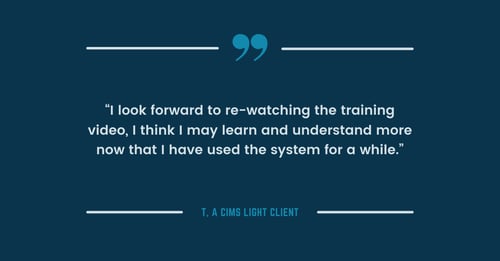
Clear documentation, video tutorials, and responsive support empower users to solve problems independently while knowing help is available when needed. Training resources should be easy to find and easy to understand.
How CIMS Approaches Cemetery Software Training
At CIMS, we believe that software is only as good as its support. Training is treated as a core part of the software experience — not an afterthought. Cemetery software training is designed around how cemeteries actually work, with an emphasis on clarity, confidence, and long-term success. Unlimited support is included with every CIMS maintenance package, so our experts are available when you need them, for no additional cost.
CIMS provides guided onboarding to help teams get started with real-world workflows, along with ongoing support and educational resources as needs evolve. Training is supported by clear documentation and responsive assistance, ensuring staff can continue to build confidence in the system over time. The goal isn’t just to implement software, but to help cemeteries use it effectively to reduce workarounds, maintain accurate records, and support staff through change.
Our experts are available for both software training and technical support whenever the need arises. Whether you have specific questions or would just like a refresher on CIMS and its core capabilities, we’re here to help you get the most out of your cemetery software program.
Cemetery Software Training Is an Investment, Not a Cost
Poor cemetery software training rarely appears as a line item in a budget. Instead, it shows up in lost time, frustrated staff, data issues, and missed opportunities to serve families better.
When evaluating cemetery software, training should be considered just as important as features and functionality. The right training approach helps ensure your investment delivers value not just on day one, but for years to come.
If you’re comparing cemetery software solutions, ask not only what the software can do, but how your team will learn to use it. The difference can be significant.
Ready to explore how CIMS can help your cemetery manage data and streamline operations? Sign up for a free software demonstration with one of our experts, or request more information here.